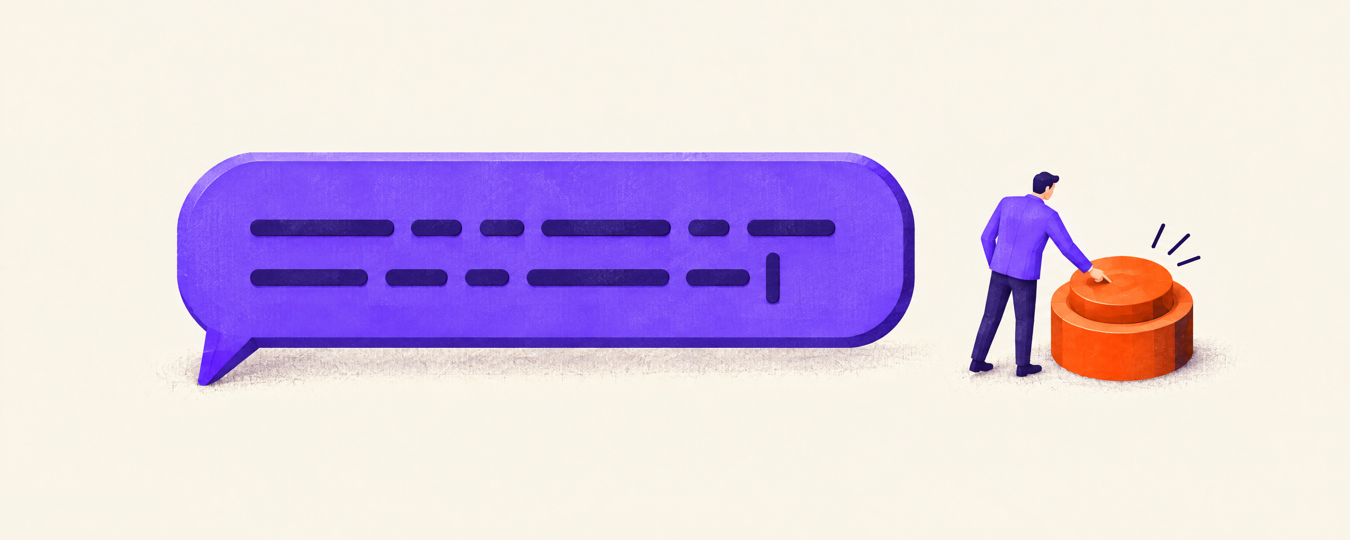
We spent forty years getting rid of the command line just to rebuild it with a prettier background.
In 1984, Apple introduced the Macintosh and changed computing forever by killing the command line. For decades, software got better because designers worked tirelessly to replace typing with visual affordances. You did not have to remember obscure text commands anymore. You just clicked an icon, flipped a switch, or dragged a slider. It was intuitive, quick, and effortless. Now, every single app on your laptop wants you to type out text commands again.
Death by a thousand prompts
We have somehow convinced ourselves that a chat box makes everything better. Open a calendar app, and a glowing text box asks what you want to schedule today.
Sure, typing five words sounds easy enough. But a quick one-liner rarely gives you what you actually need. A prompt like "schedule a meeting with Raj" leaves out the duration, the topic, the video link, and the time slot. To make the machine get it right on the first try, you have to type out an exact, detailed command. By the time you spell out "schedule thirty minutes with Raj next Tuesday at two PM regarding Q3 budget", you could have clicked three buttons on a calendar grid and been done in two seconds.
Prompt fatigue creeps in through that subtle mental friction. You have to pause, translate an impulse into written instructions, and double check your phrasing, right when a point-and-click action used to take zero thought.
Taking orders is not great service
Websites dump chatboxes into every header right now because it makes them look modern and cutting-edge. They genuinely think they are being helpful. But this completely misunderstands how great design works.
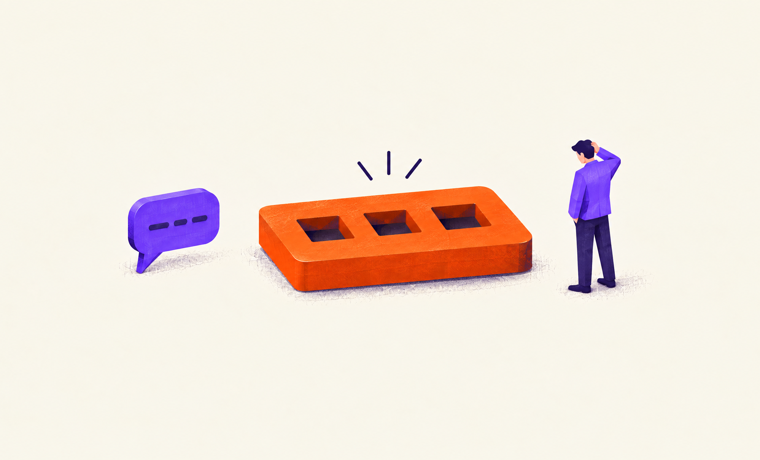
What is the best kind of hospitality, or a close partner who knows you well? They do not stand around waiting for you to issue commands. They anticipate what you need before you even ask, leaving it ready right when you realize you want it. Chat interfaces turn software into an assistant who refuses to move until you give explicit instructions.
Teams get misled into believing that taking orders is high-touch service. In reality, true service comes from researching user behavior deeply enough to build the right controls in the first place. Text fields are blank slates, and blank slates force you to guess. A great interface guides you forward. A blank chat prompt just leaves you standing there, guessing keywords like a programmer in 1975.
Buttons exist for a reason
Chat makes sense when you are exploring complex ideas or generating something from scratch. It is great for open-ended creative tasks. But routine work is not open-ended. Routine work is operational.
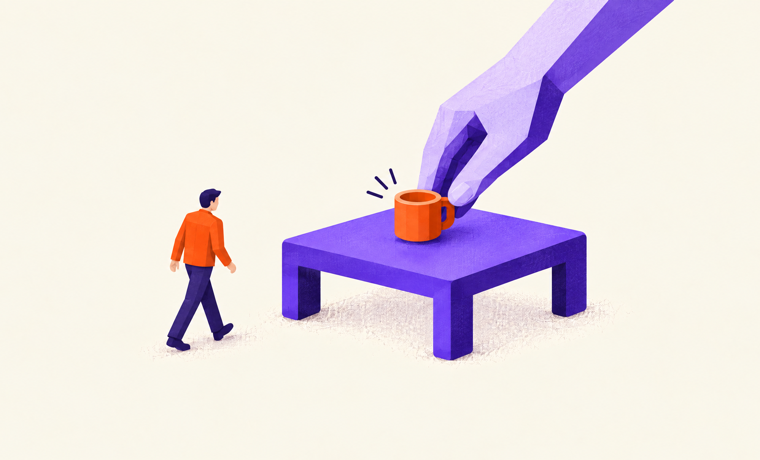
When you open a tool to do your daily job, you do not want an assistant that wants to chat. You want sharp tools that stay out of your way. Visual controls give instant feedback and predictable outcomes. A button leaves zero room for misinterpretation.
The best software respects your attention. It does not demand an ongoing dialogue. It presents the right controls in the right place at the right time, then gets out of your way so you can finish your work and close your laptop.
Quiet software is the future
The hype cycle for putting a chatbot inside every tool is going to burn out. Users are already getting tired of typing out commands for basic features that used to take a single click.
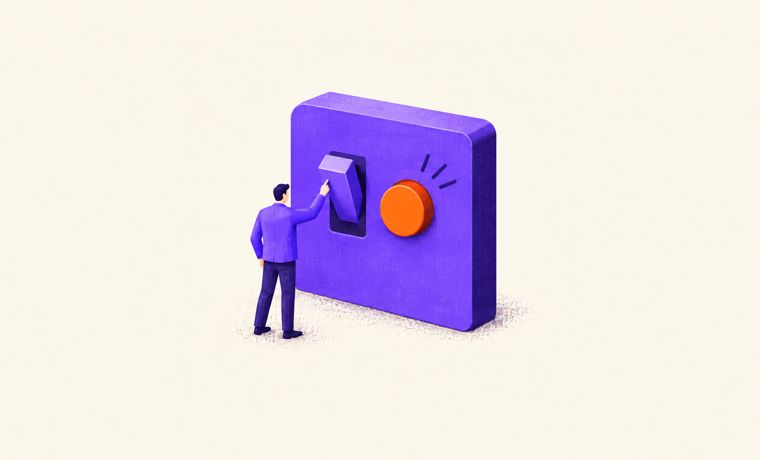
The next wave of great digital tools will not try to be your conversational buddy. They will use intelligence quietly behind the scenes. They will predict what you need, simplify your options, and expose smart buttons that feel almost telepathic.
Stop making software talk so much.
We do not need every app to act like a chatty coworker who intercepts you at the water cooler. Give us quiet, direct tools that let us work at the speed of thought, not at the speed of typing.