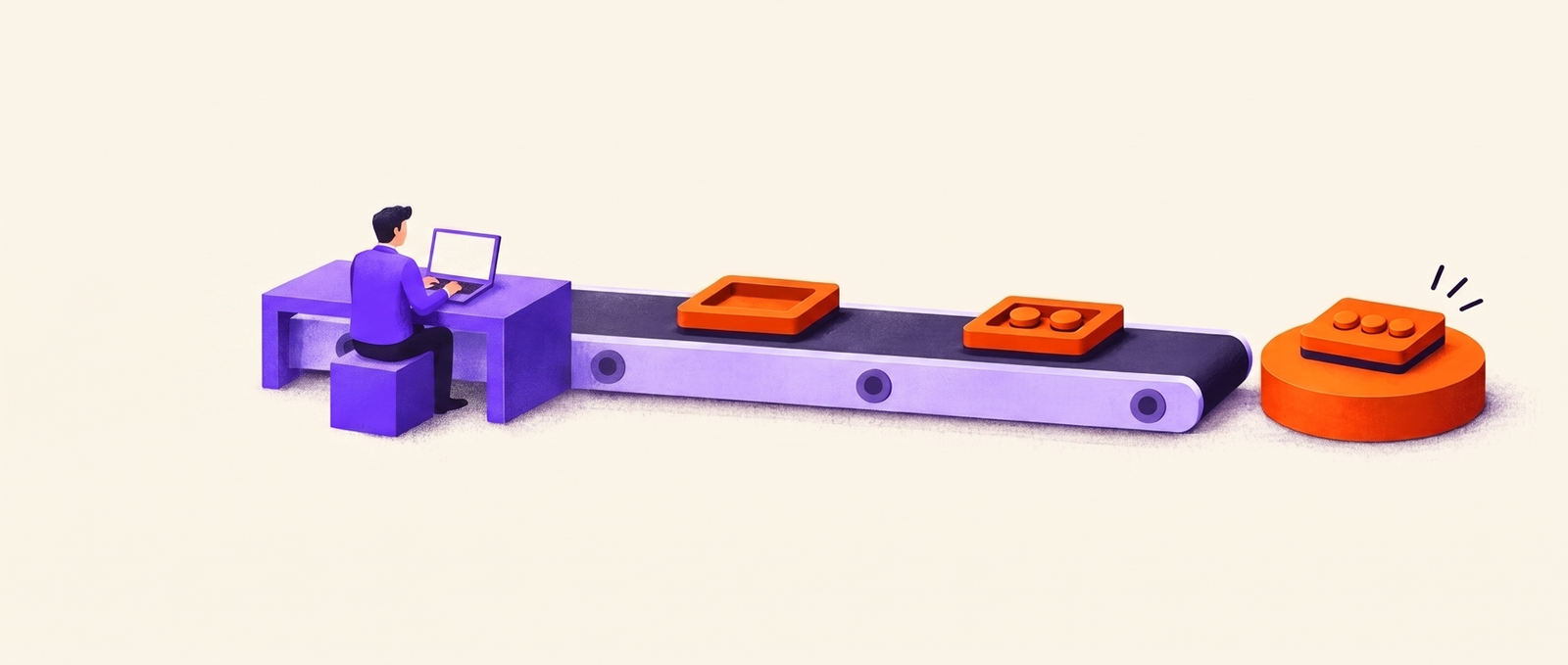
Code is cheap enough now that your internal tools can be treated like Post-it notes.
We have all done it. Your team hits a minor operational speed bump, like a messy CSV formatting task that happens every Tuesday, and someone suggests buying a tool. Before you know it, you are locked into a $50-per-seat multi-year contract for an enterprise platform. You use three buttons on the home screen and ignore the rest of a 5,000-feature monstrosity. Software used to be treated like permanent real estate.
That economic model is dissolving. AI code generation is changing how we handle localized friction, turning software from a permanent capital asset into a temporary utility. Instead of paying perpetual monthly fees for a giant tool where your team only uses a tiny sliver of the features, the future belongs to custom, disposable tools built in an afternoon and thrown away when the task is done.
Software used to matter
When code was expensive and slow to write, software had to be built to last. Products had to be generalized monstrosities to justify their development costs, forcing users to adapt their daily routines around whatever rigid interface a vendor sold them.
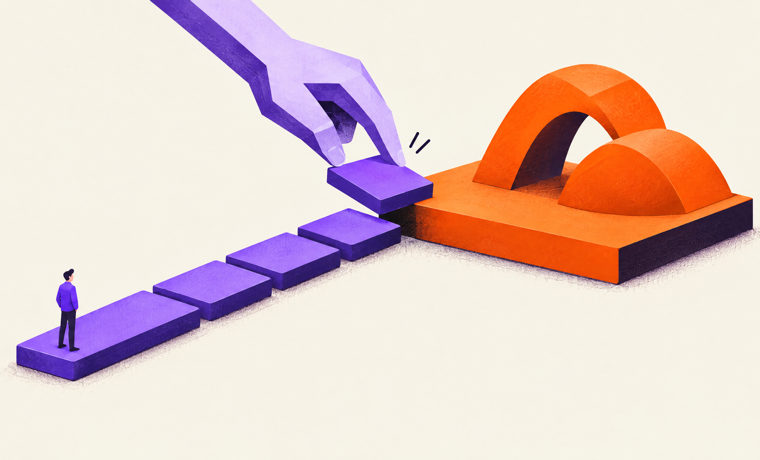
That constraint no longer applies. Today, a data bottleneck pops up on Monday morning, a product builder prompts a custom internal tool into existence by lunch, and the team uses it to run a hyper-specific project for three weeks. Once that task wraps or the workflow evolves, you do not archive the software or negotiate a corporate renewal. You delete it and move on.
Treating software as single-use changes the dynamic completely. You stop bending your process to fit someone else's opinionated design. Instead, the interface shapes itself around your exact immediate need, with zero bloat attached.
The subscription trap
Most modern companies are suffocating under a mountain of subscription fees for niche tools nobody actually likes. You pay for five different tracking tools across three departments because no single off-the-shelf option fits the exact way your team operates.
Every extra menu item, unused sidebar link, and generic dashboard widget creates cognitive debt. Your employees waste minutes navigating complex admin panels just to trigger one core action. Vendors build for platform expansion and retention, which means they are incentivized to keep adding features you never asked for.
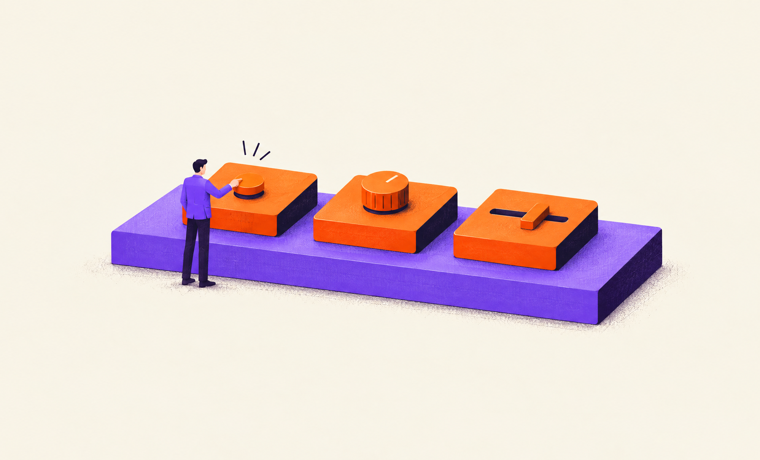
Building focused internal utilities strips away all that corporate weight. There are no upsell popups, no onboarding walkthroughs, and no sprawling documentation sites. You get a clean screen with the exact three inputs your process requires.
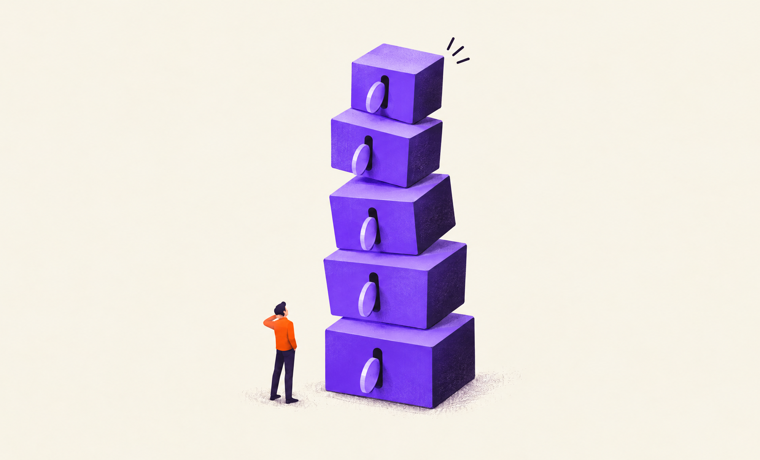
Small tools beat big platforms
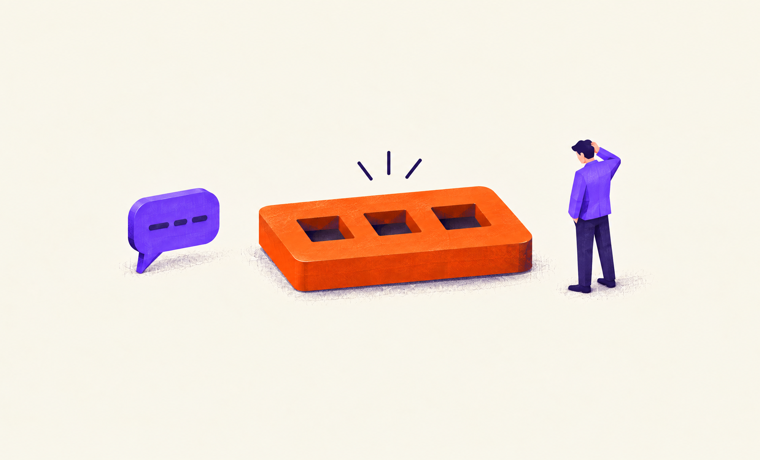
The shift from buying generic platforms to generating hyper-specific mini-tools changes how teams solve daily problems. When an edge case appears in your pipeline, you do not submit a feature request to a vendor's product backlog and wait two years. You spend twenty minutes explaining the edge case to a model, inspect the output, and hand your team a lightweight web app that solves the problem before the end of the day.
This is where smart domain knowledge beats massive software budgets. The value is no longer in writing thousands of lines of boilerplate infrastructure code. The value is in deeply understanding your team's friction points and translating them into simple, precise interactions.
You end up with a fleet of lightweight utilities that run quietly in the background, doing one job with complete precision and getting out of your way.
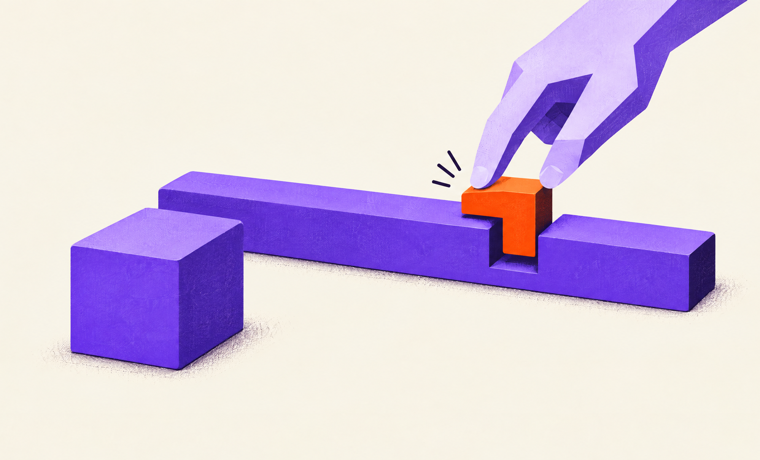
Precision is the new platform
The future of productivity is not adding another login to your password manager or paying fifty dollars per user for a tool that tries to be everything to everyone.
We are moving away from massive subscription software and toward a world of hyper-focused, zero-bloat utilities. The best tool for your team is no longer the one with the biggest feature list on a pricing page. It is the one you built in two hours, used to solve a real problem, and retired without a second thought.
Stop renting someone else's complexity. Build exactly what you need, use it, and move on.