The open web is turning into a quiet trade between machines while humans wait for the summary.
When we talk about web design, we almost always imagine a human sitting in front of a glass screen. We picture someone leaning in, scrolling through a hero section, admiring a subtle micro-interaction, or pausing to read a carefully crafted headline. That visual connection has been the foundation of digital product design for over thirty years. Every layout choice, typography pairing, and color gradient was calculated to guide human attention and evoke an emotional response.
Yet a massive structural shift is quietly altering how information moves across the internet. Most people are starting to bypass the browsing process entirely. Instead of opening five tabs to compare products or research a topic, users are handing that chore over to AI agents. These synthetic proxies crawl the web, pull out raw facts, weigh the options, and hand back a neat little summary. The primary reader of your site is no longer a human looking at pretty pixels. It is a machine reading code.
The death of the link
For decades, the web ran on a simple routine. You typed a keyword into a search bar, scrolled past a wall of blue links, and clicked through to a few different websites. Discovery meant keeping human eyeballs on your pages, so teams pushed the boundaries of creativity, evolving from flashy animated sites to sleek, minimalist modern interfaces.
That habit is fading fast. AI research tools do not wander around clicking links out of curiosity. They sweep across dozens of domains in a fraction of a second, strip away every piece of brand styling, and grab only the facts.
Your custom video backgrounds and slick animations never make it to their screen. The machine reads the raw HTML, pulls what it needs, and moves on. If your site is too messy or complicated for an automated scraper to parse instantly, you just get left out of the answer entirely.
Two audiences
To stay relevant, web architecture has to split right down the middle. You cannot rely on a single interface to handle both humans and machines anymore.
You need two distinct layers.
The first layer is for human eyes. It should have personality, great design, and real emotional punch. When a user finally lands on your page, that surface experience is what builds trust and makes them stick around.
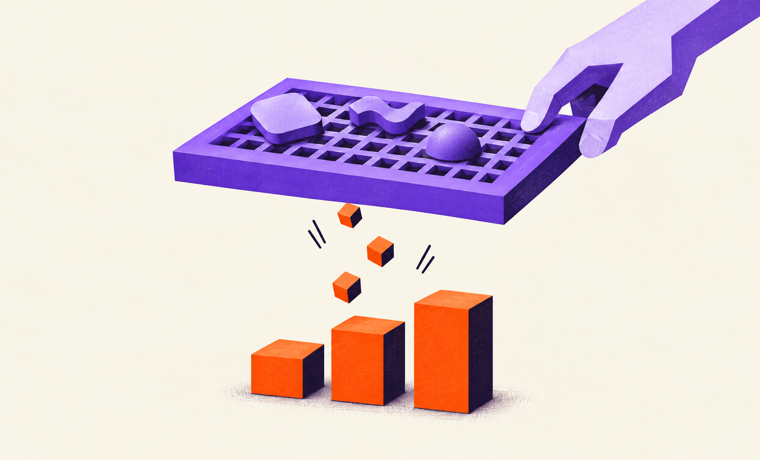
The second layer is for the bots. It is a quiet, highly organized data pipeline. Clean schemas, straightforward summaries, and zero visual clutter. It exists so a research tool can figure out what you do and what you charge without getting bogged down by heavy scripts or clever copywriting.
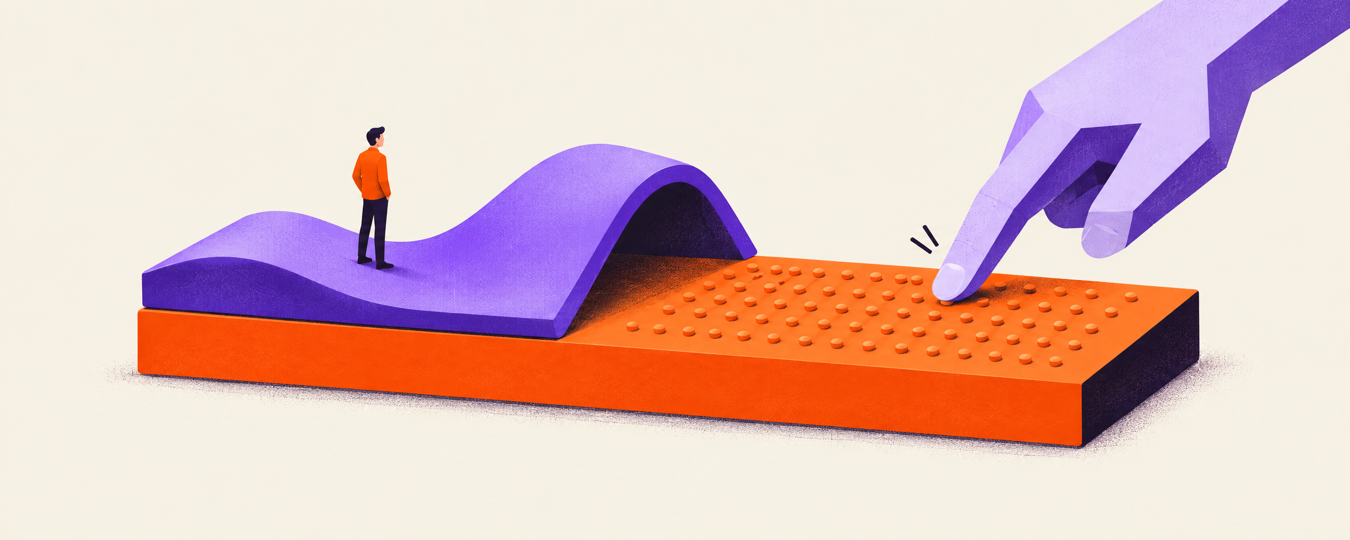
Braille for bots
Design teams spend weeks arguing over rounded corners, button shadows, and exact shades of gray. The bots scraping your site do not care. They are looking for hard facts: pricing tiers, explicit feature limits, and actual specs.
This is where smart, modern SEO becomes important.The same clean data, structured schemas, and semantic HTML that search engines love are exactly what feed these AI assistants. If your key product details are buried inside interactive widgets or vague marketing jargon, the reader gets confused. Studies on automated retrieval tools show that overly complex layouts and unoptimized text cause AI tools to miss crucial details nearly half the time. When that happens, the model usually defaults to recommending a competitor whose site is easier to read.
Bad layout used to just mean a high bounce rate. Today, it makes your entire business invisible.
Discovery first
You can build the most brilliant, tactile web app in your category, but zero distribution kills great work every single time. Visual craft only matters if people can actually find you.
The companies that win going forward will accept this split reality. They will build memorable, expressive spaces for human visitors, backed by rock-solid data structures for the machines running interference.
Respect the agent first, so you get the chance to delight the human second.